

“There is only one alternative to ageing. There are many alternatives to ageing well.” Dr Alexandre Kalache
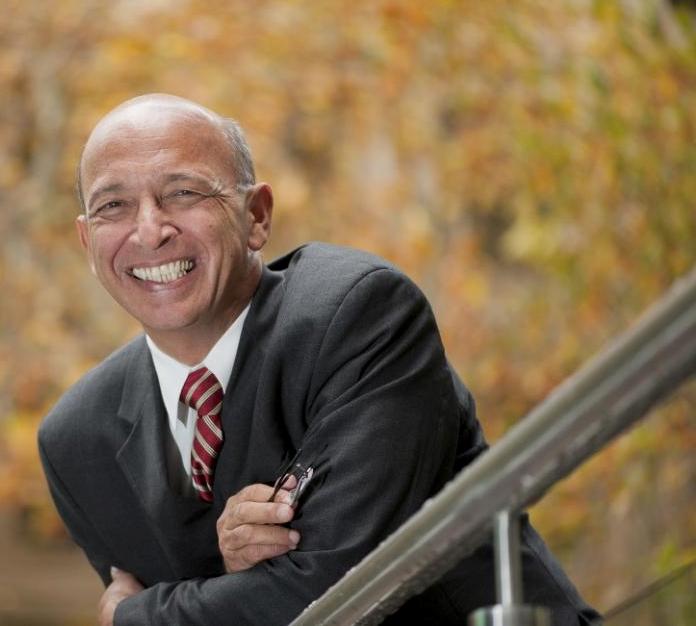
You may have survived the spotty, angst-ridden ravages of adolescence, a misspent youth and even a mid life crisis; now get ready for your ‘gerontolescence’. That’s a cute term for a new, emerging phase in our older lives. In the same way that the baby boomer generation in the 1960s and 70s is credited with creating the concept of the teenager and teen culture out of the transition period of adolescence, hordes of ageing baby boomers are forging this new period of transition – this time from the traditional retirement age through to ‘old age’. At least so says the 67 year old international academic rock star of ageing well, Dr Alexandre Kalache (pictured above).
“In the same way that my generation transformed adolescence into a protracted period of experimentation, creativity and rebellion, so too are we redefining what it means to age. We are witnessing the emergence of a “gerontolescence,” a new period of transition. We will not allow our rights to be ignored and we will not be fobbed off with the idea that all we are fit for is a spot of light volunteering,” he said in an op-ed in the Huffington Post back in April 2012 to mark UN World Health Day 2012.
How WILL baby boomers transform the later decades of life? What will ‘ageing well’ look like, in their book? With two or three decades of post retirement life ahead for most of us, we need to think carefully about these questions. Collapsing into a relaxing schedule of weekly golf, gardening and ‘time to travel’ may have a lot of surface appeal after four decades plus of hard slog at the coalface, but is the leisure lifestyle really sustaining for the next 20 or 30 years? And can you afford it – both financially and in terms of your health? Increasingly evidence points to employment being good for you with significantly increased rates of disease and illness following retirement.
Long transitions, new roles
Kalache believes we need a different approach that recognises that growing into old age is a long transition process over those decades, rather than a sudden cutting off point. “It should mean more flexibility in the workplace. It should include staggered retirements and a greater use of sabbaticals, so that an older person can go away for a year, recharge his or her batteries, and come back with more energy and new skills,” he says. Many trail blazing older people are already conceiving and living out their
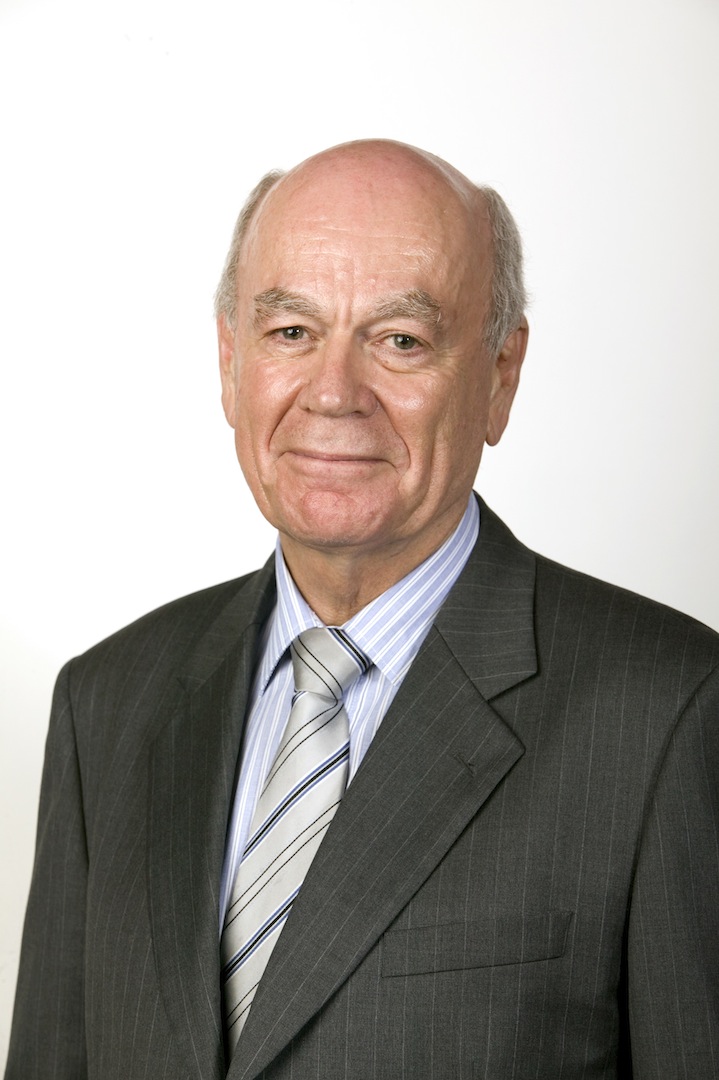
later decades in new and challenging ways. Dr Mike Rungie’s 2012 Geoffrey White Churchill Fellowship project, published last year, took as its topic the exploration of a range of different roles for ‘people in their 70s, 80s and 90s’. He describes these roles as part of a ‘reinvention movement’, still only in its infancy; but with the first boomers beginning to turn 70 in 2016, it’s a movement likely to gain momentum in the next decades. The roles Rungie describes from his international observations range from work, study and transition roles, through volunteering, creative arts and sports, to networking, ‘caring’ and social enterprise roles. Most people, he found, enjoyed a ‘portfolio’ approach to roles
[think student/counsellor/musician/grandparent/yogi/activist, for example], rather than having only a couple of dominant ones which is more often the case for people in their younger decades [working mother; student; electrician; ex-footballer; artist).
Rungie’s report has some really interesting examples of some of these roles as well as many other wonderful stories and ideas to be learned from. Download the report from the Churchill Trust website.
Got a plan?
I’m interested in how some of these roles and others resonate – or not – with baby boomers. If so, how so? And if not, why? What might be different for boomers? What else do we envisage for our 70s, 80s and 90s? One thing that is becoming increasingly apparent is that, like climate change, we can’t keep denying or avoiding the evidence before us as the next decades hove into view. We need to be thinking these things through with intelligence, creativity and a playful open mind if we are to have the best shot at successful ageing.
It seems to me that to a great extent we actually have a choice and the decision making – or at least the early reflections on the decision making – really should start much earlier; probably in our 40s and 50s. You reap what you sow and all that…. But that’s another post.
The amazing Dr Kalache says ageing has been one of the most important societal achievements of the 20th century, with 30 years added to life expectancy worldwide. “Now we need to make sure that we capitalise on those years by making them as active as possible, for the sake of the individual and society,” he says. “Baby boomers are leading the way, showing younger people that getting old is the best thing that can happen to them. There is only one alternative to ageing. There are many alternatives to ageing well.”
We have been warned! Is ageing well on your radar? Or your friends’ radar? I’d really like to hear how people are thinking about the business of growing older and any plans or ideas you might have.
About Dr Alexandre Kalache [From: http://www.ageing.ox.ac.uk/research/regions/africa/afran/members/Alexandre-Kalache] Following his medical training in Brazil and then his MSc and PhD in the United Kingdom, Dr Kalache held research and teaching positions at both the Universities of Oxford and London for almost twenty years. During this time he founded the Epidemiology of Ageing Unit at the London School of Hygiene and Tropical Medicine (1983) and created the first European Masters degree in Health Promotion (1991).
From 1995-2008 he directed the World Health Organisation’s global Ageing and Life Course Programme from the Geneva headquarters. During his thirteen years at WHO he launched the Active Ageing Policy Framework and the global movement on Age-Friendly Cities among many other enduring initiatives. In 2012 Alexandre Kalache took up the Presidency of the International Longevity Centre-Brazil in his home city of Rio de Janeiro. ILC-Brazil is an autonomous think tank which is part of an international consortium of fourteen such centres. Concurrently, Dr Kalache serves as Global Ambassador of HelpAge International, Senior Advisor at the New York Academy of Medicine and sits on a multitude of boards ranging from the World Economic Forum to the Gulbenkian Foundation. He acts as worldwide adviser on ageing issues to national, state and municipal governments, civil society organisations and the private sector.
NB: this summary does not include Dr Kalache’s residency as the South Australian Government’s ‘Thinker in Residence’ program (I mean, why don’t all states have this program?] during 2011-2012.
 Keryn Curtis at work
2 responses to “The age of gerontolescent angst”
Reblogged this on madeinmarrickville.
Hi KerynI thought this was very good and highly relevant to how I am feeling and approaching the next few decades. I have given a copy to my sister who turns 55 on Friday and officially retires from the public service. My only caveat, which I’m sure you are already very aware, is that quality of life and positive ageing is made much easier if you have good health and economic means. Yes, we do reap what we sow in many ways, but genetics, accidents etc do play a role (some would say luck) and there are many people who have worked hard during their lives but for a range of reasons, have very limited incomes. The ads we see for superannuation funds or swish apartments for sale showing the good looking, active and fit retired couple sailing a yacht or setting off overseas completely miss the reality that many people face (and often alone). We’re looking forward to Easter at Tuross very much – let’s speak on the phone about arrangements and menus. Love, Irene